


Digital Agriculture
Environmental Problem
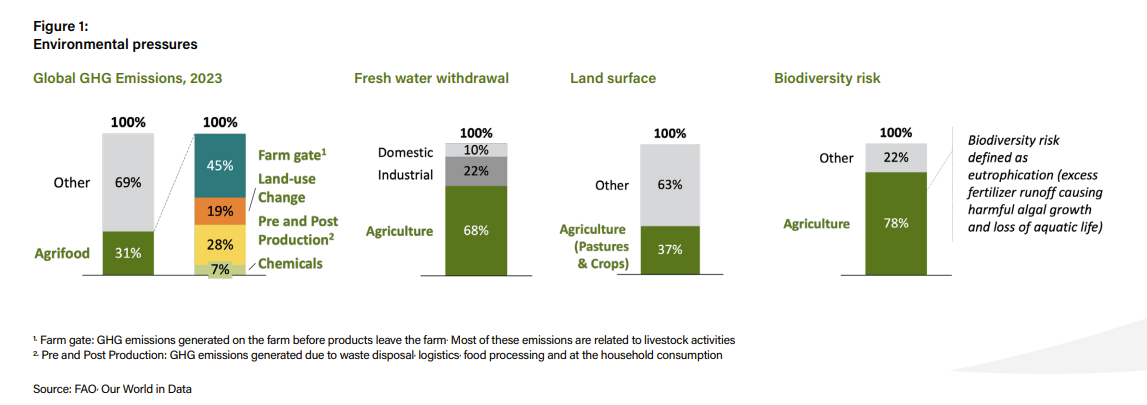
Agriculture accounts for around 70% of freshwater withdrawals and uses c. 40% of the planet’s land surface.
Agriculture sits at the center of the global environmental challenge. It is not only a provider of essential resources, but also one of the most resource-intensive human activities exerting a broad and simultaneous impact on climate, water, land, and biodiversity. Agrifood systems generate roughly one-third of global greenhouse gas emissions, while agriculture alone accounts for around 70% of freshwater withdrawals and uses close to 40% of the Earth’s land surface.
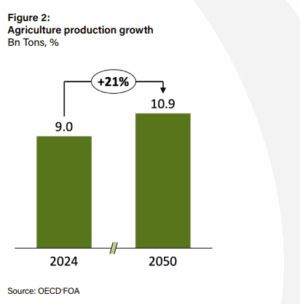
At the same time, demand for food continues to grow. Global agricultural output is expected to increase by approximately 20% by 2050, driven by population growth and rising per capita consumption. Without efficiency gains, this would require a substantial expansion of agricultural land, potentially between 10% and 20%. Such expansion would further accelerate deforestation, biodiversity loss, and soil degradation.
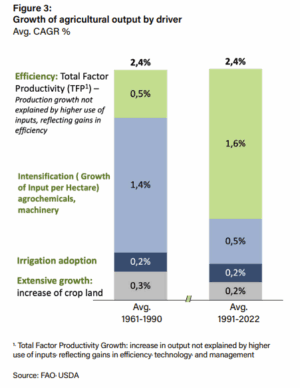
This growing pressure on land and resources underscores the need to rethink how productivity gains are achieved in agriculture. Historically, agricultural productivity improvements were achieved through intensification, primarily by increasing the use of fertilisers, pesticides, and machinery. This approach has reached its limits. The marginal benefits of additional inputs are declining, while the environmental costs are becoming increasingly evident, including nutrient runoff, soil degradation, and water pollution.
In parallel, climate change is introducing additional stress. Extreme weather events such as droughts and floods are becoming more frequent, increasing volatility in yields and making traditional farming practices less reliable. Farmers must now manage not only resource constraints but also higher uncertainty.
In parallel, climate change is introducing additional stress. Extreme weather events such as droughts and floods are becoming more frequent, increasing volatility in yields and making traditional farming practices less reliable. Farmers must now manage not only resource constraints but also higher uncertainty.
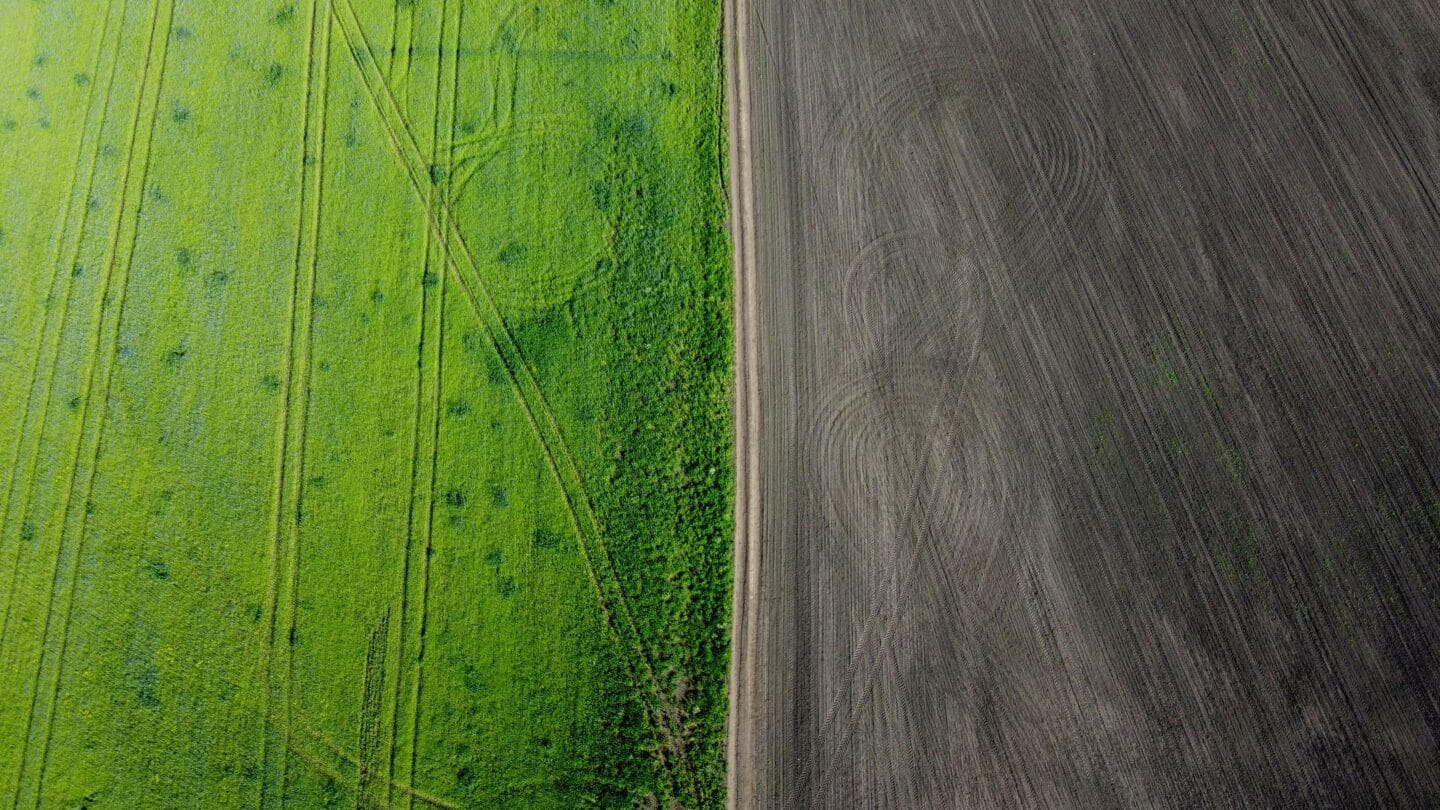
This combination of growing demand, limited natural resources, and increasing climate instability creates a structural imbalance. The sector must produce more but cannot rely on expanding land or increasing input intensity. The only viable path forward is improving efficiency at scale.
Environmental Solutions
Precision technologies can reduce pesticide use by up to 40%, decrease fertiliser application by around 18%, and cut water consumption by up to 50%.”
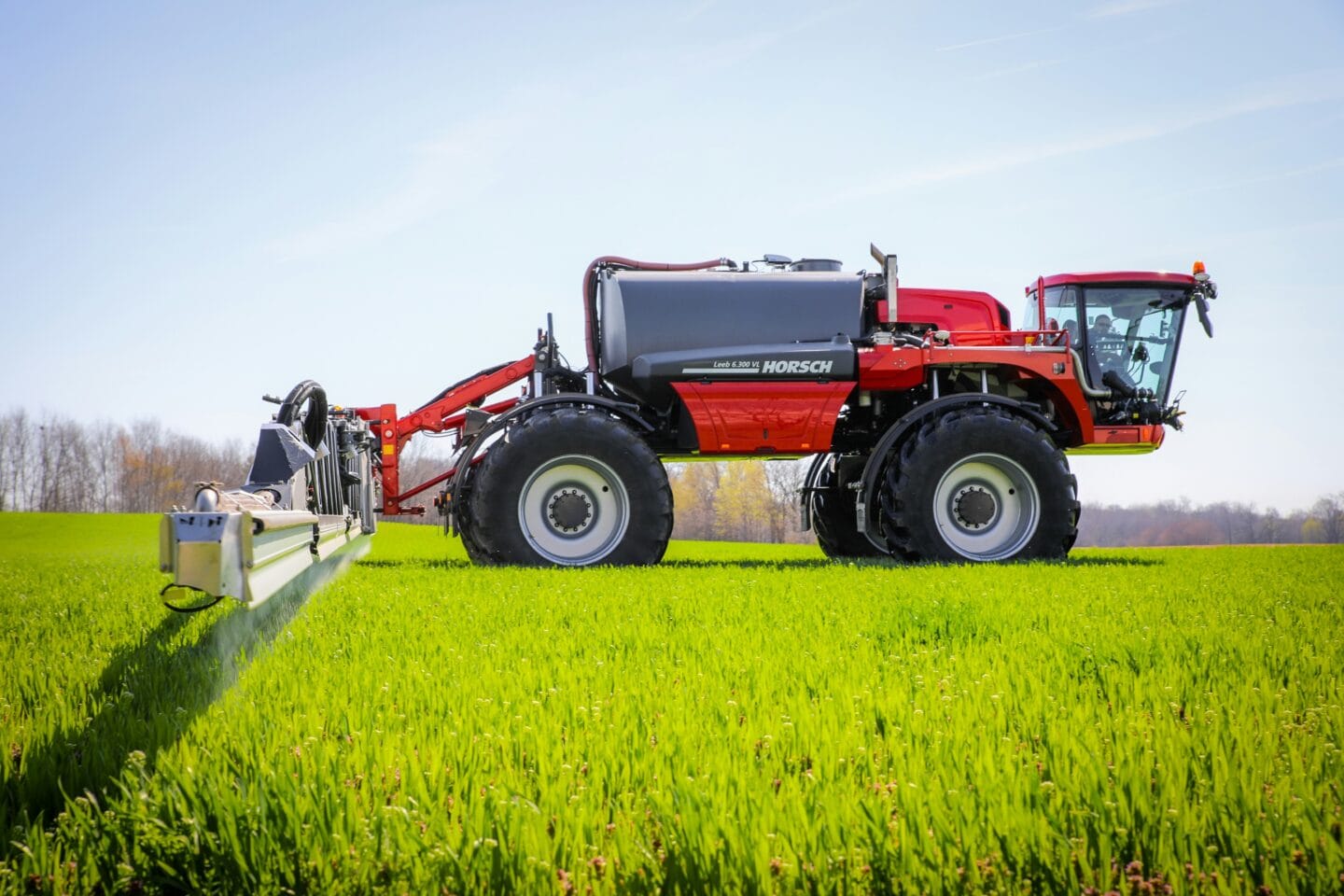
Digital agriculture emerges precisely as a response to this constraint. Its core value proposition is straightforward: enabling farmers to produce more with fewer inputs, therefore reducing related costs and environmental impact. The digital agriculture solutions market has already reached approximately $27 billion and is growing at a 14% CAGR, making it an attractive segment within the agrifood value chain.
A useful way to understand digital agriculture is through three functional layers: sensing, decision-making, and acting. These layers form a continuous loop that transforms raw data into optimised actions.
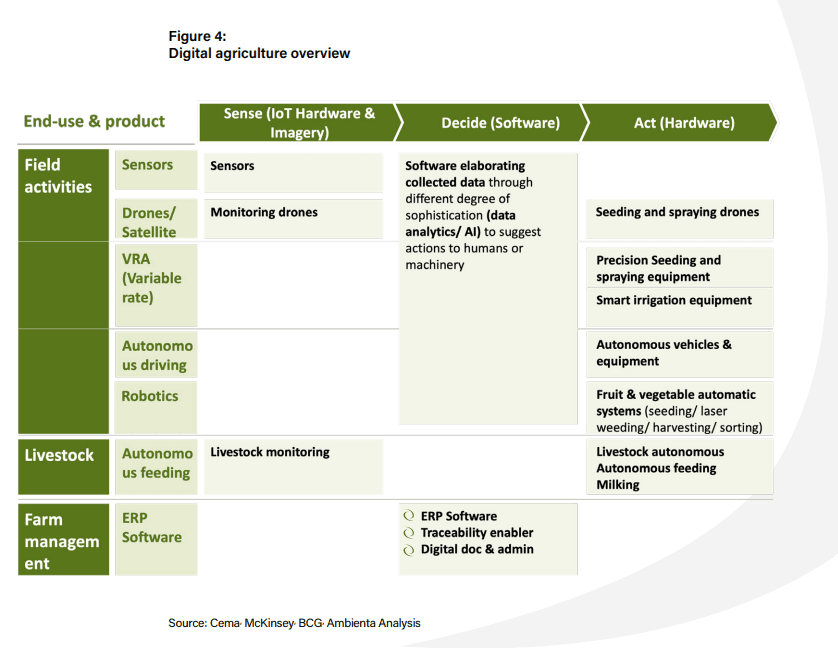
The first layer, sensing, involves collecting detailed information from the field. Technologies such as soil sensors, weather stations, drones, and satellite imagery provide granular data on soil moisture, nutrient levels, crop health, and environmental conditions. This represents a significant shift from traditional farming, where decisions were often based on experience or visual inspections rather than precise measurements.
The second layer, decision-making, translates this data into actionable insights. Advanced software platforms integrate multiple data sources and use analytics or artificial intelligence to generate recommendations. These may include when and how much to irrigate, where to apply fertilizers, or how to manage pest risks. Over time, these systems have evolved from simple record-keeping tools into sophisticated decision-support platforms capable of optimizing operations at a very granular level.
The third layer, acting, consists of technologies that execute these decisions in the field. This includes variable-rate application systems, smart irrigation, autonomous tractors, and robotic harvesters. These tools allow for site-specific interventions, meaning inputs are applied exactly where and when they are needed.
The environmental impact, and the potential cost saving of this approach is significant. Precision technologies can reduce pesticide use by up to 40%, decrease fertiliser application by around 18%, and cut water consumption by up to 50% in certain irrigation systems, while often even improving yields. These are not marginal improvements; they represent structural efficiency gains on a scale.
Beyond input optimisation, digital agriculture also supports adaptation to climate change. Improved forecasting, real-time monitoring, and data-driven planning enable farmers to respond more effectively to extreme weather events. This increases resilience while reducing the risk of crop losses.
Importantly, these technologies also enable traceability and transparency across the agricultural value chain. As regulators and downstream customers demand more information about production practices, digital systems provide the infrastructure to monitor, report, and verify productivity, resource use and related costs, as well as environmental performance.
Overall, digital agriculture represents a shift from input-intensive farming to knowledge-intensive farming. Value is no longer created primarily by increasing input, but by improving the precision and efficiency with which they are used.

Investment opportunities
The primary challenge is not technological feasibility, but adoption
The investment landscape in digital agriculture is broad, but it remains heterogeneous in terms of maturity, scalability, and risk profile. At a high level, the market can be divided into three main segments: sensing technologies, software and analytics, and precision hardware. Each segment plays a distinct role, but their degree of integration varies significantly across players. Digital technologies and software represents an attractive diversification opportunity for both large agriculture OEMs,Jhon Deere for instance has invested in an advanced precision sprayer claiming 70% reduction in pesticides use, and for input providers – Bayer’s application FieldView is an example of satellite date supporting farmers.
Agriculture software platforms represent the first dynamic area. The market is fragmented, with a mix of independent providers, input companies offering proprietary platforms, and machinery manufacturers embedding software into their equipment. This fragmentation suggests potential for consolidation over time.
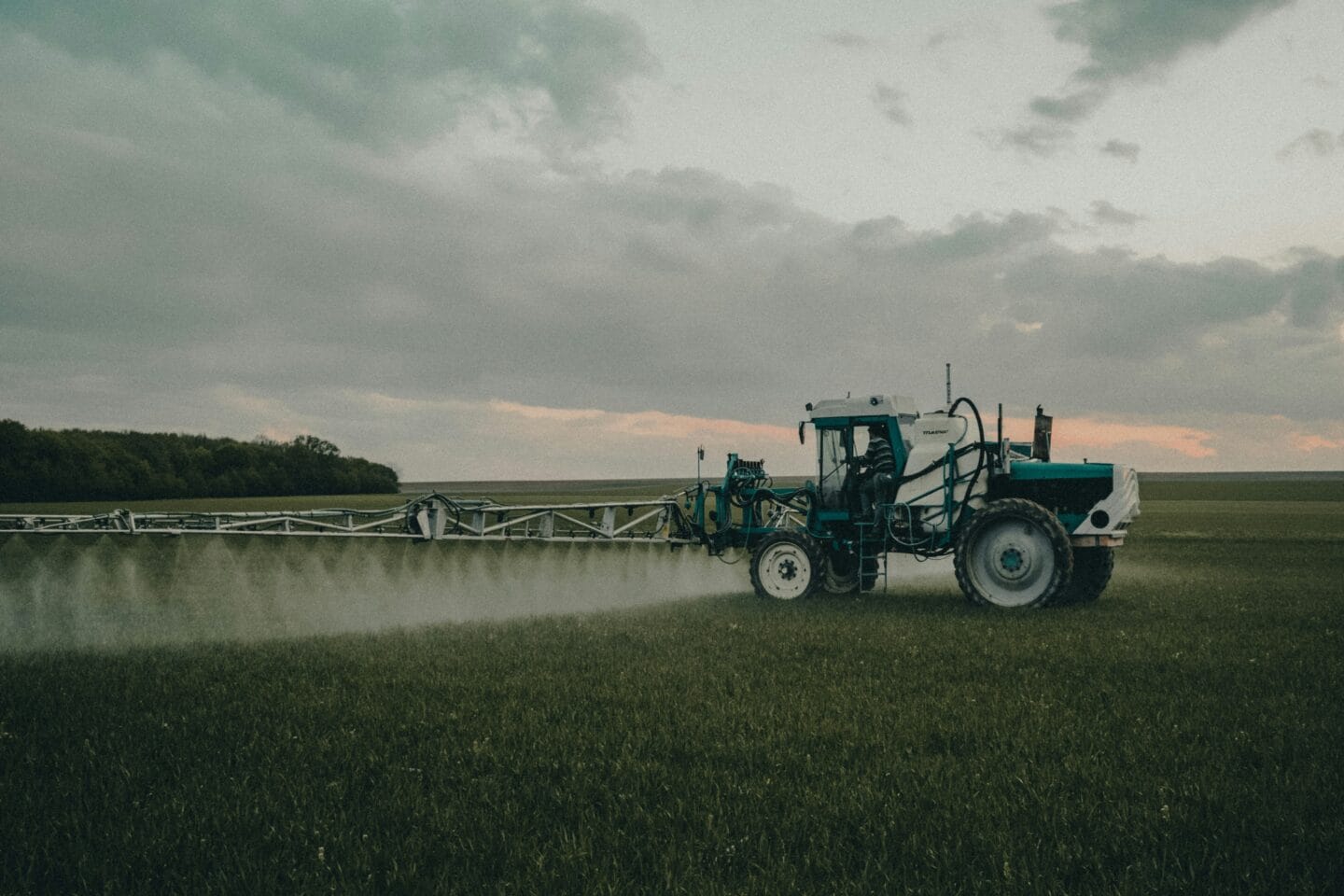
Precision hardware is another relevant segment. Equipment such as smart spraying and irrigation solutions are already widely adopted supported by clear economic benefits, particularly cost savings on agrochemical inputs.
Sensing technologies, including sensors and satellite-based data, form the foundational layer of the ecosystem. While technologically important, this segment is more selective from an investment perspective with many startups in the field sensing space or already consolidated players in the satellite imagery space.
A key theme across all segments is market access. The primary challenge is not technological feasibility, but adoption. Farmers tend to be cautious and prioritise solutions with a clear and immediate return on investment. At the same time, a significant tailwind is related to farm structure. Larger farms, which have become more prevalent over time, are better positioned to adopt digital solutions due to economies of scale and the usually more sophisticated internal capabilities. Similarly, high-value crops or industrialized farming systems tend to justify higher levels of technological investment.
Overall, the investment opportunity is real but requires selectivity. The sector is still evolving, and while growth prospects are strong, success depends on identifying scalable models, strong go-to-market strategies, and clear economic value for end users.
Closing thoughts
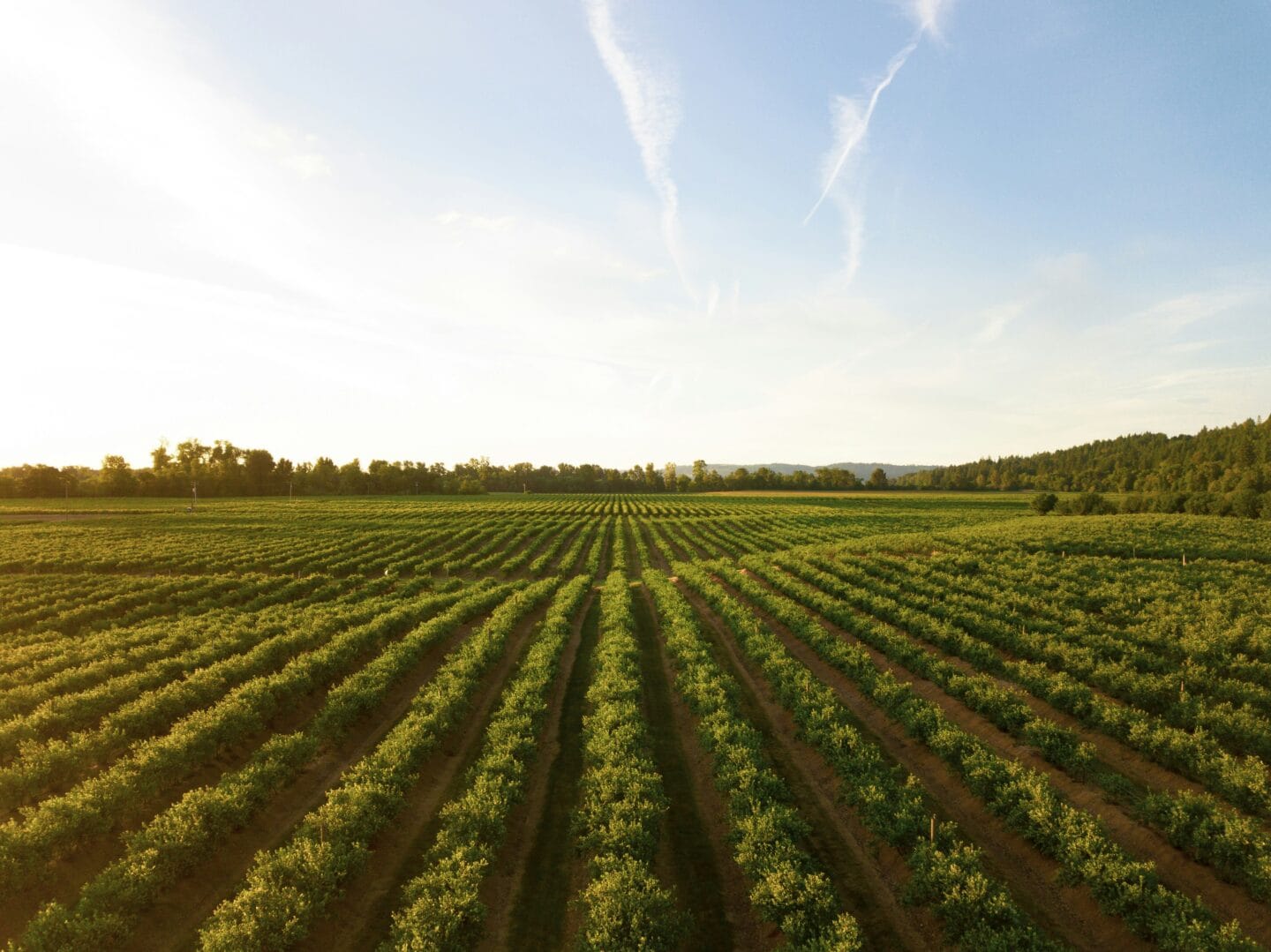
Digital agriculture is not a standalone innovation, but a key pillar in the broader transformation of the agricultural system. By enabling greater efficiency and precision, it offers a practical pathway to increase food production while reducing the burden on natural resources and reducing pollution.
This transition is reinforced by strong environmental, economic, and regulatory drivers, positioning digital agriculture as an increasingly essential component of the sector’s future. While adoption is still progressing at different speeds, this gradual uptake reflects a resilient, long-term structural shift with significant potential for sustained value creation.
Important information
This material is of a promotional nature and is provided for information purposes only. Please note that this material may contain technical language. For this reason, they may not be suitable for readers without professional investment experience. This document is issued by Ambienta SGR S.p.A. It is not intended for solicitation or for an offer to buy or sell any financial instrument, distribution, publication, or use in any jurisdiction where such solicitation, offer, distribution, publication or use would be unlawful, nor is it aimed at any person or entity to whom it would be unlawful to address such a document.
Nothing in this document constitutes legal, accounting or tax advice. The information and analysis contained herein are based on sources considered reliable. Ambienta SGR S.p.A uses its best effort to ensure the timeliness, accuracy, and comprehensiveness of the information contained in this marketing communication. Nevertheless, all information and opinions as well as calculations indicated herein may change without notice.
Ambienta SGR S.p.A. has not considered the suitability of this investment against your individual needs and risk tolerance. To ensure you understand whether our product is suitable, please read the Prospectus and relevant offering documents. Any decision to invest must be based solely on the information contained in the Prospectus and the offering documentation. We strongly recommend that you seek independent professional advice prior to investing.